Food
How to build a balanced Indian lunch with familiar food
Put together a balanced lunch from dal, roti, rice, sabzi and curd, with portions you can picture and a simple tiffin plan for busy days.
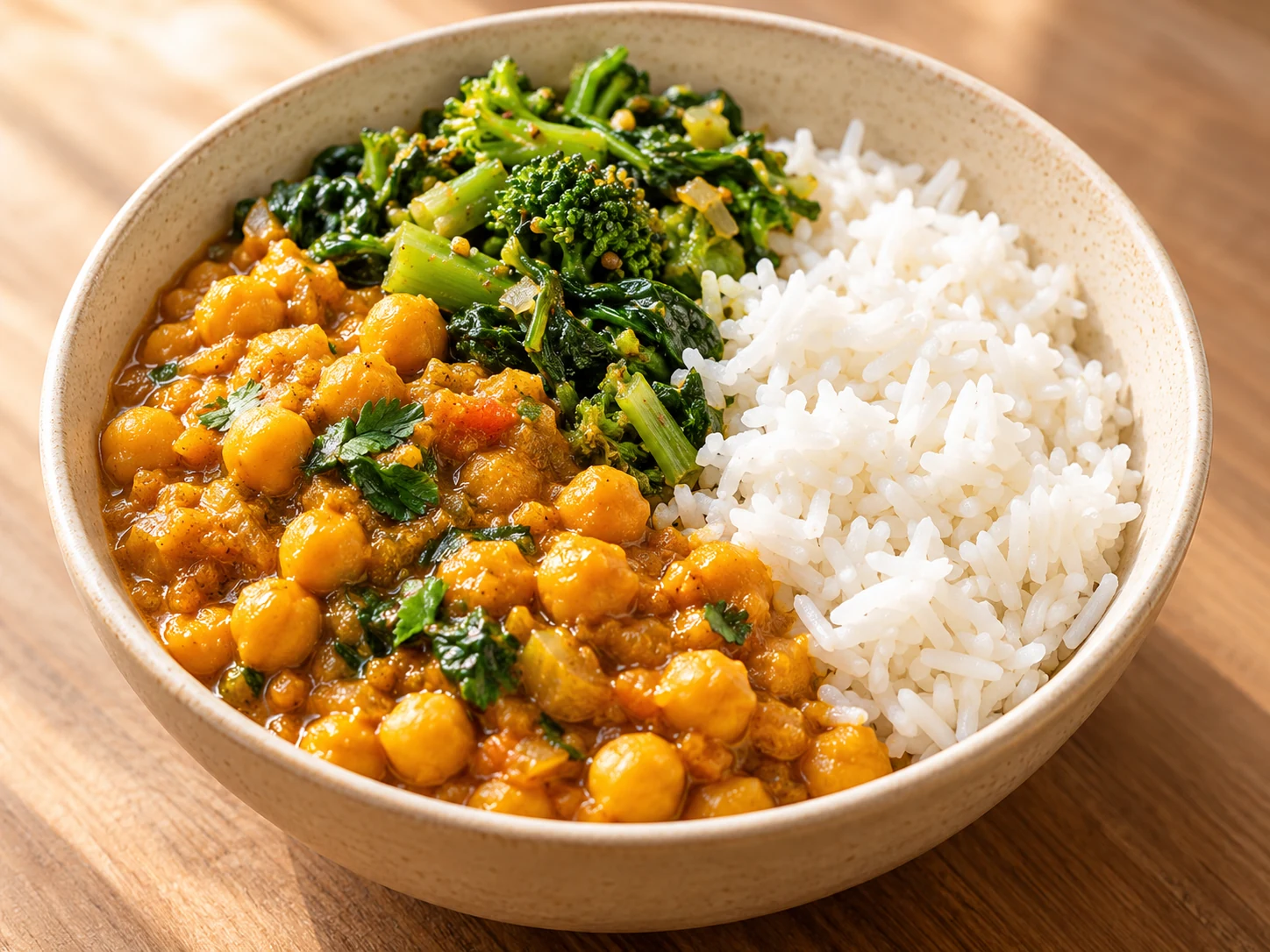
You do not need a new cuisine to eat a better lunch. Most Indian kitchens already hold every part of a balanced meal: a grain, a dal or other protein, a vegetable and something cooling like curd. Balance is mostly about proportions, and about getting it roughly right on most days rather than perfectly right on a few.
Think in four parts, not in calories
A practical way to look at your plate is to check that each of these four parts is there, and that none of them is crowding out the others.
- Vegetables. Sabzi, salad, kootu, a sambar full of vegetables. The World Health Organization suggests at least 400 g of fruit and vegetables a day, roughly five handfuls, and lunch is a natural place for a good share of it.
- A grain or millet. Roti, rice, jowar or bajra bhakri, ragi, poha. This is the main source of energy in the meal, and the part that most easily takes over the plate.
- A protein. Dal, rajma, chana, sprouts, paneer, tofu, curd, eggs, fish or chicken.
- Something on the side. Curd or chaas, a spoon of chutney or pickle, a piece of fruit.
India’s own dietary guidelines, from the National Institute of Nutrition, make the same point: a varied plate of grains and millets, dals, vegetables, fruit and dairy does more for you than any single “superfood”.
A few familiar lunches, rebalanced
Small changes to meals you already eat usually stick better than a brand-new menu.
- Roti, dal and sabzi. If your plate is often four rotis and a spoon of sabzi, try three rotis and a full katori of sabzi. Keep the dal and add curd.
- Rajma or chole chawal. Keep the rajma or chole generous and the rice moderate, and add a kachumber salad or a dry vegetable on the side.
- A South Indian meal. Rice with a vegetable-heavy sambar, a poriyal or thoran, rasam and curd already covers all four parts. Let the vegetables take up more room than the rice.
- Khichdi. Add vegetables while it cooks, use a mix of dal and rice rather than mostly rice, and serve it with curd or a salad.
- Leftovers. Last night’s sabzi and dal rolled into a roti, or stirred into rice with extra vegetables, make a quick and balanced lunch.
Protein is the part that often goes missing
Many vegetarian lunches lean heavily on grain. Dal helps, but a thin, watery dal adds less than it looks. A thicker dal, a side of chana or sprouts, paneer, tofu, a bowl of curd, or eggs if you eat them make the meal more filling and help it carry you through the afternoon.
Portions you can picture
Household measures are easier to remember than grams: the number of rotis, a katori of dal, a bowl of rice, a ladle of sambar. They vary between homes, so a katori in your kitchen may not match one in a friend’s. What matters is consistency. Use your own bowl and spoon as your reference and you can compare one day with the next.
Packing lunch for a busy day
- Cook once, eat twice. Make extra dal or sabzi at dinner and pack it for the next day.
- Keep a few no-cook proteins at hand: curd, roasted chana, sprouts, paneer.
- Fill the tiffin with vegetables first, then the grain, so it is not half rice by default.
- At a canteen, choose a thali over a single heavy dish, and add the dal and sabzi you like.
For more ways to fit food around a packed day, read small healthy habits for busy workdays.
Keep a record you recognise
If you track your food, log what you actually ate rather than what you meant to eat. A realistic record of an ordinary week is far more useful than a perfect-looking day you never had.
When to get personal advice
General ideas like these suit most healthy adults. If you have diabetes, kidney disease or high blood pressure, are pregnant, or have been given a specific diet, a doctor or registered dietitian can tailor portions and choices to you.
Sources
This article shares general wellbeing information. It is not medical advice and does not replace a doctor or registered dietitian who knows your health history.
All Jeevrit articlesA little better starts with today.
Log familiar meals in household portions, follow a small daily plan and see your week come together.
Get JeevritFree on Google Play for Android.More from the Jeevrit journal
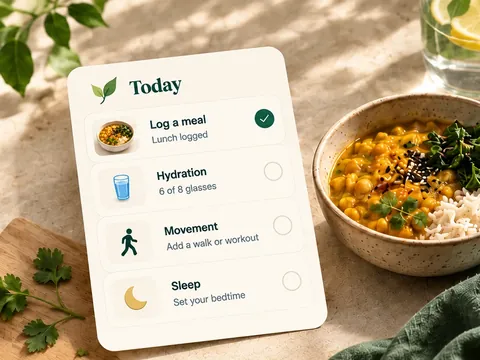 Getting started · 6 min readGetting the most out of JeevritSet it up, log the way you eat, and see what Jeevrit+ adds.Read article
 Sleep · 3 min readAn easier evening wind-downSmall, realistic ways to signal the end of your day.Read article
 Everyday habits · 2 min readSmall habits for busy daysRoutines that have a place in the day you actually have.Read article
 Personalisation · 5 min readYour day, connectedHow food, training and the context you allow come together.Read article